01
Onboarding
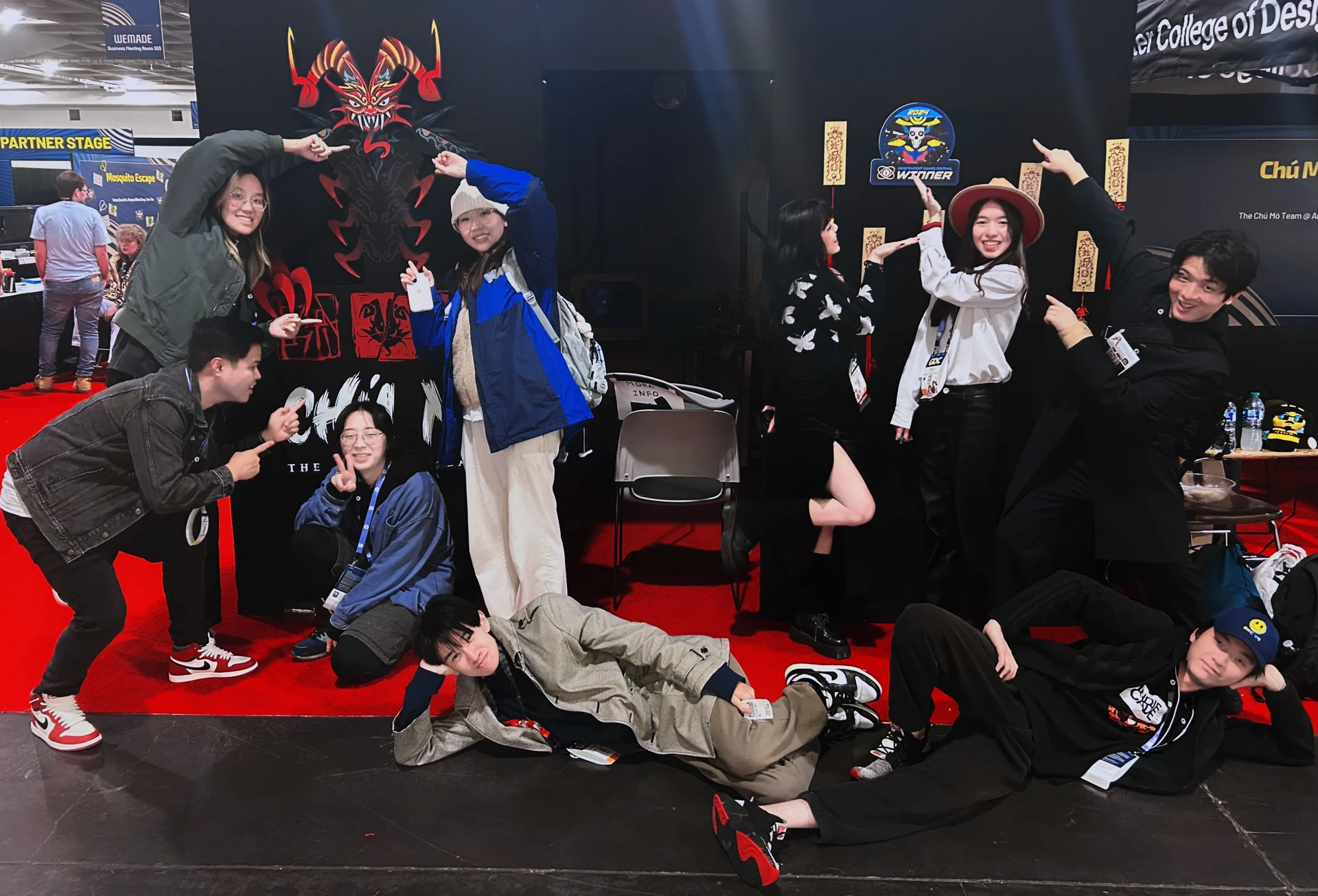
Team members introduce the setting and the players’ exorcist-student roles.
Physical play · Chinese horror · Cooperative experience
The Exorcist Exams
Observe the room. Identify its curses. Work together to defeat the demon.
The experience
Players become entry-level exorcism students. They observe environmental clues, identify curses, and use physical ritual tools to reverse them together.
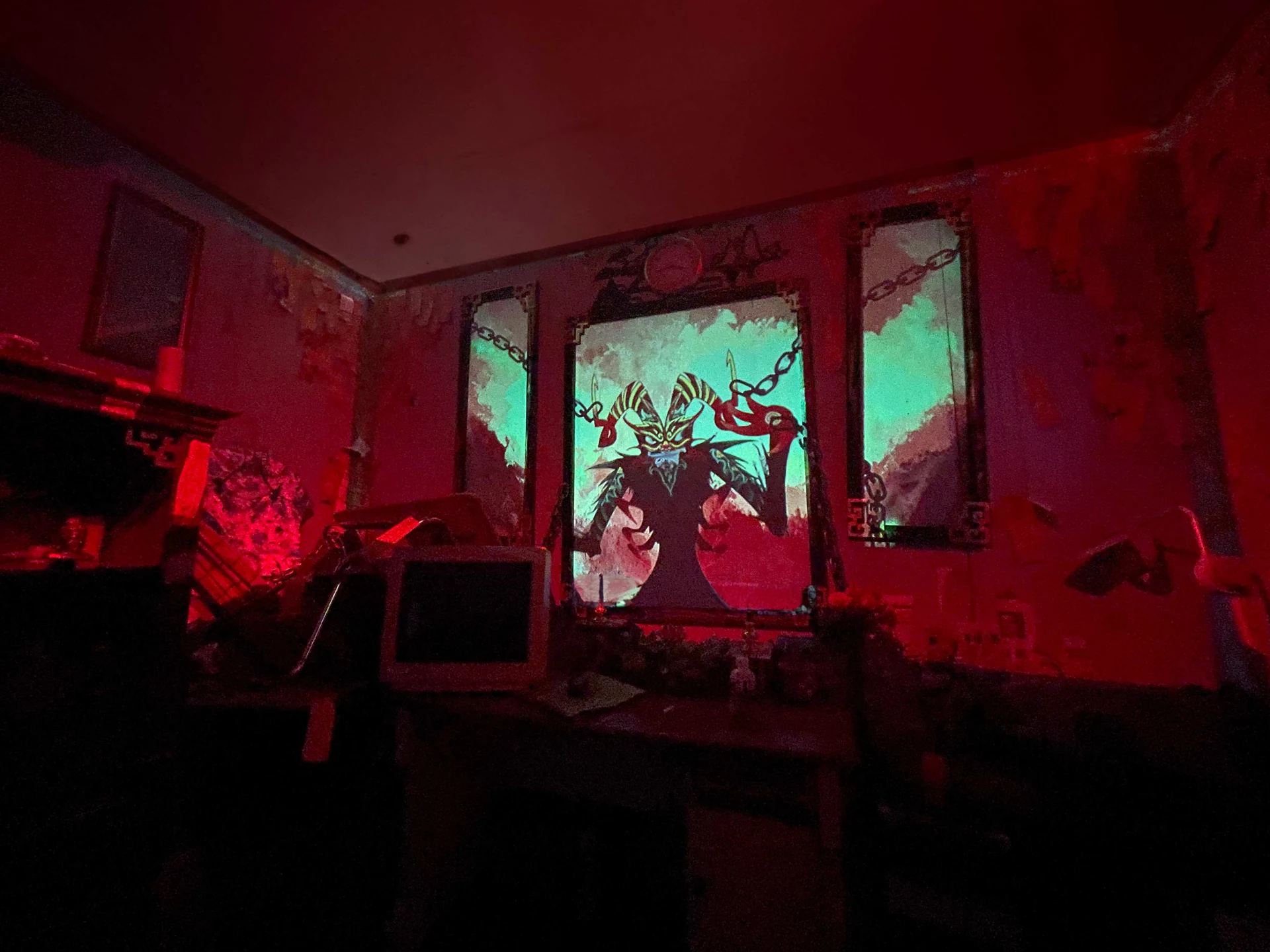
Gameplay video
Watch the trailer on YouTube ↗
Original 39-second Chu Mo trailer. Players identify curses and cooperate through the shared database and physical ritual stations. The case study below describes the mechanics and design decisions shown in the capture.
01 / My contribution · Experience flow
I designed the core player flow. Guided onboarding leads into a demon encounter, cooperative curse-solving, and a final seal.
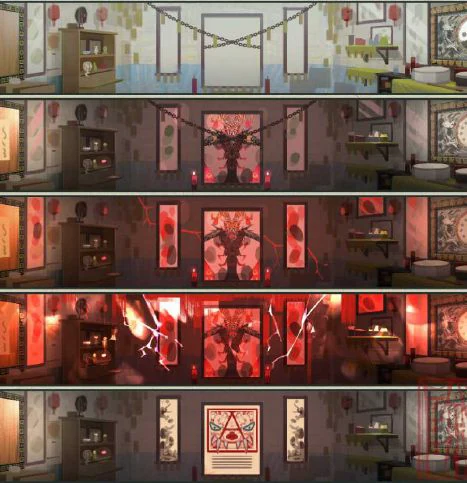
Tutorial phase / Enter the role
Team members introduce the setting and the players’ exorcist-student roles.
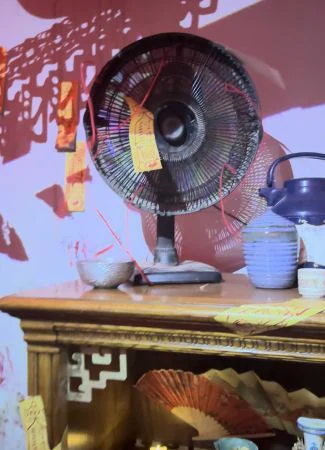
Bei Dou guides players through the room and explains how to use each station.
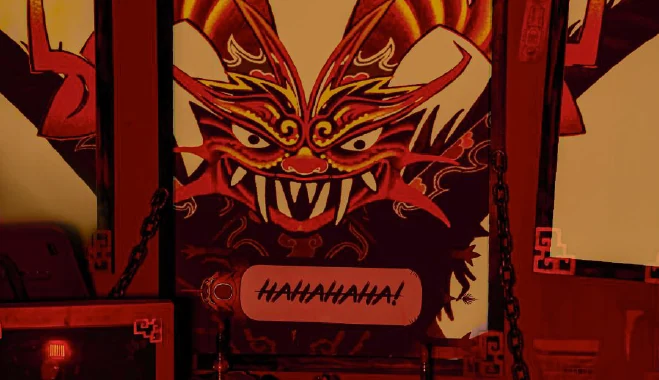
The chained demon escapes its seal. Players face the threat for the first time.
Gameplay phase / Cooperate under pressure
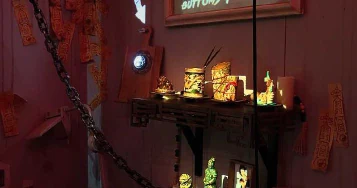
Players search for visual and audio clues, communicate their findings, and look up the curse in the Database.
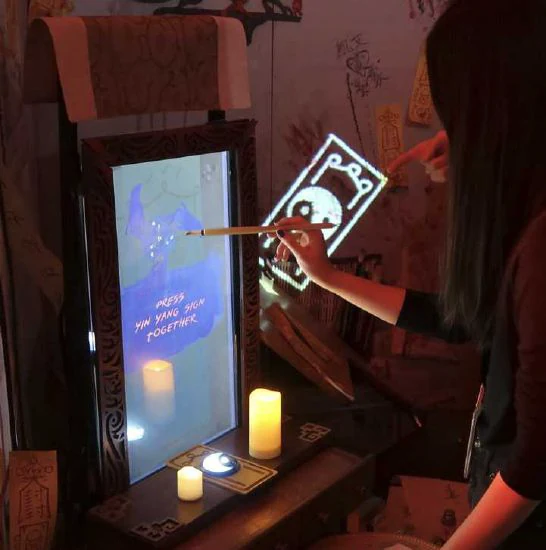
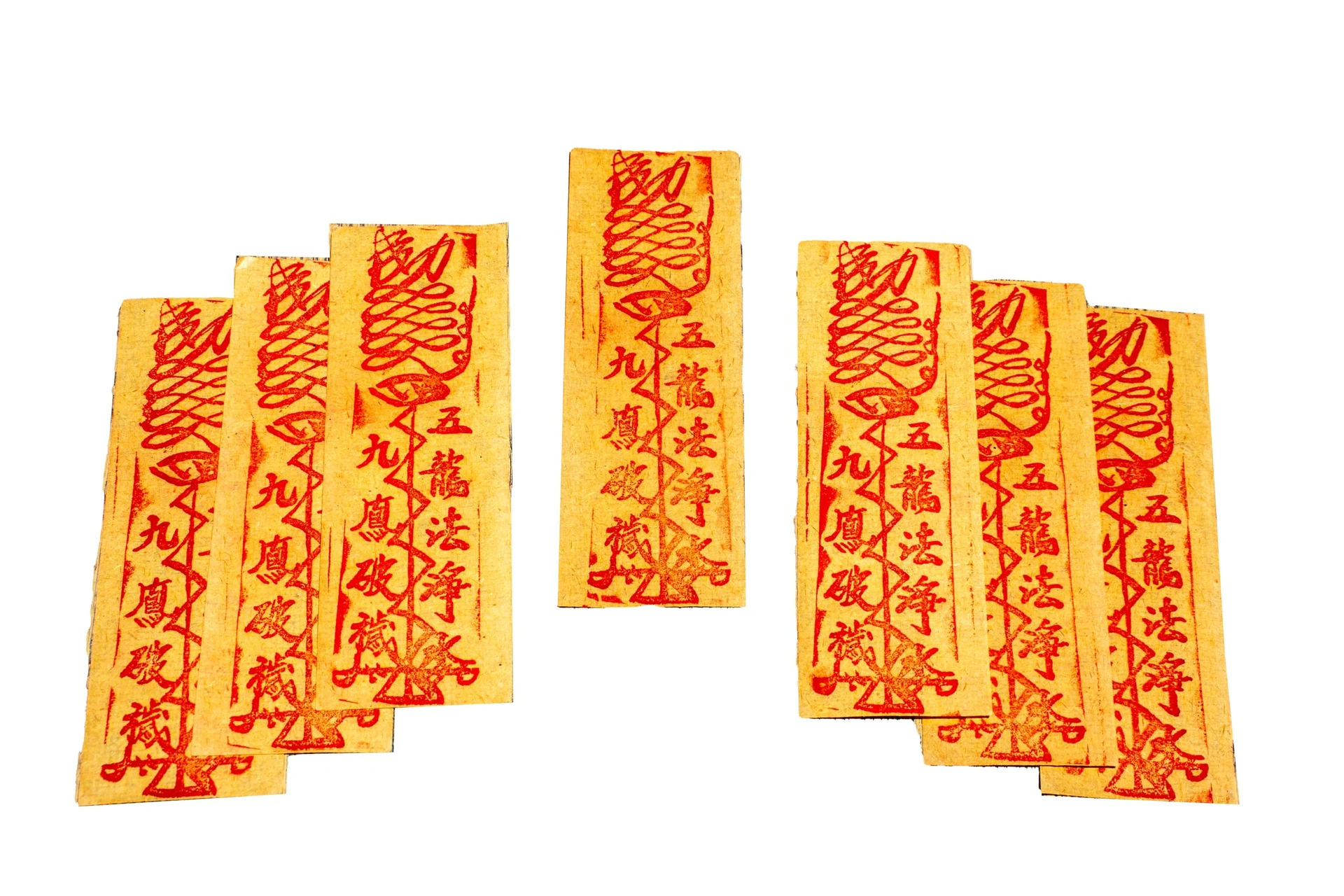
Players perform station minigames using patterns from the Database to undo the curses.
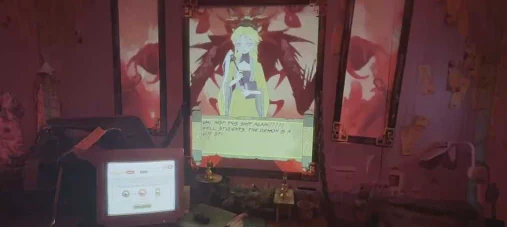
After enough curses are reversed, the group faces a final showdown and seals the demon by shouting.
Stage durations and moods are taken from the original experience-flow document.
02 / Room & station design
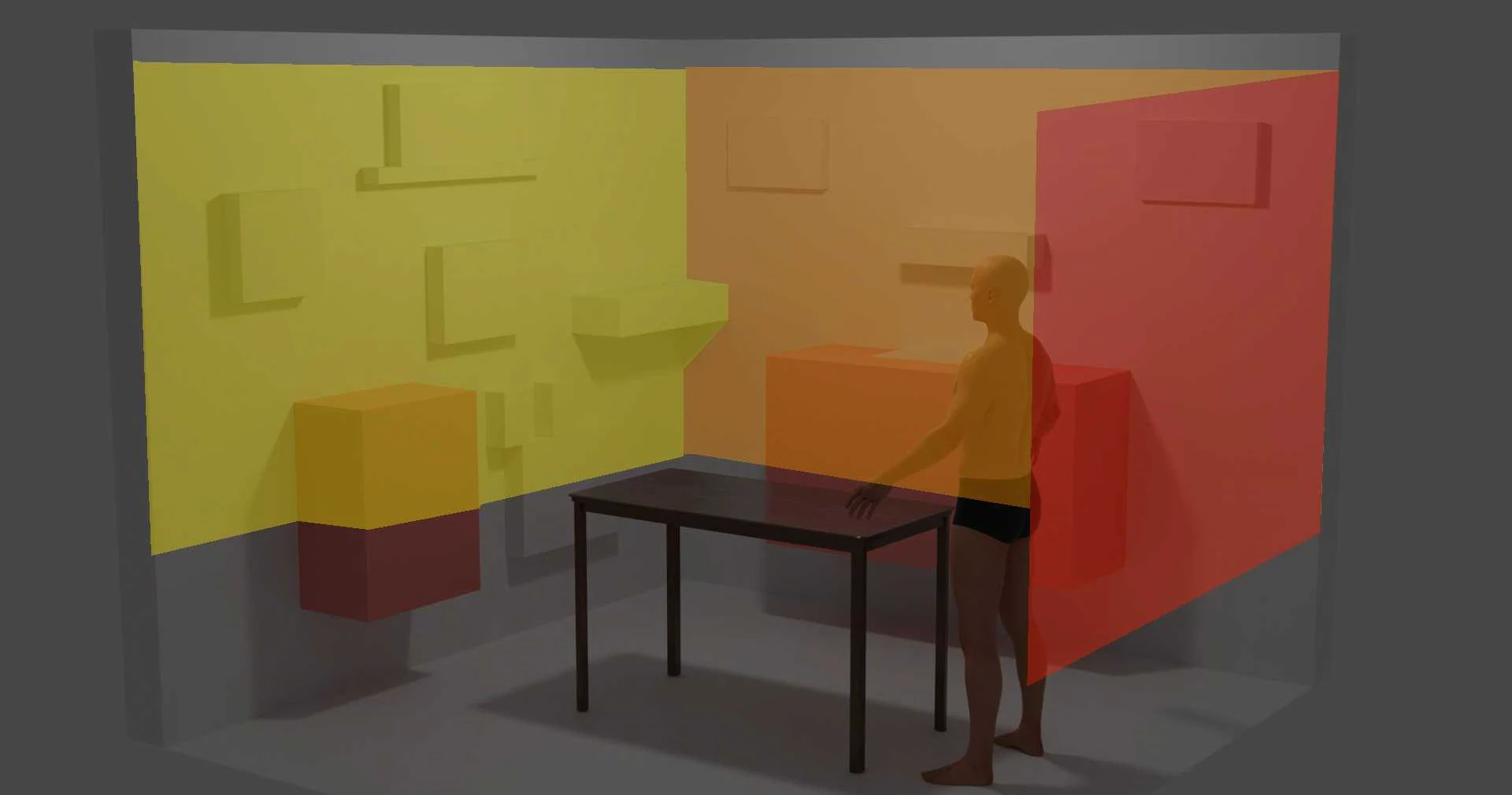
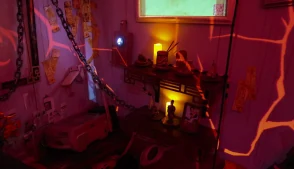
Traditional Taoism and Chinese exorcism culture informed a modern, shared physical experience.
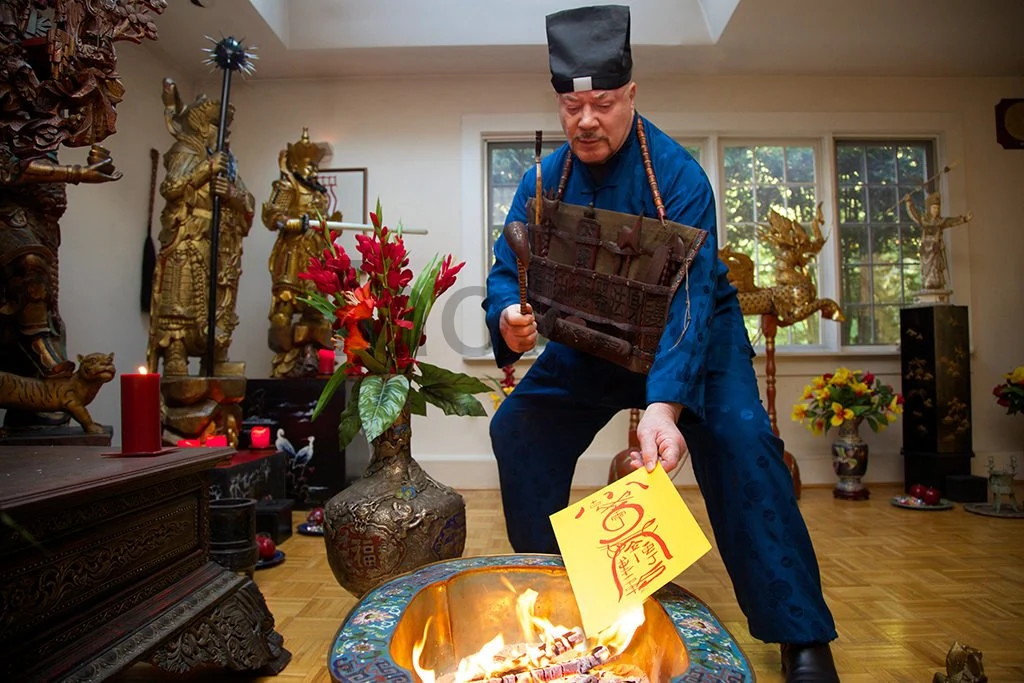
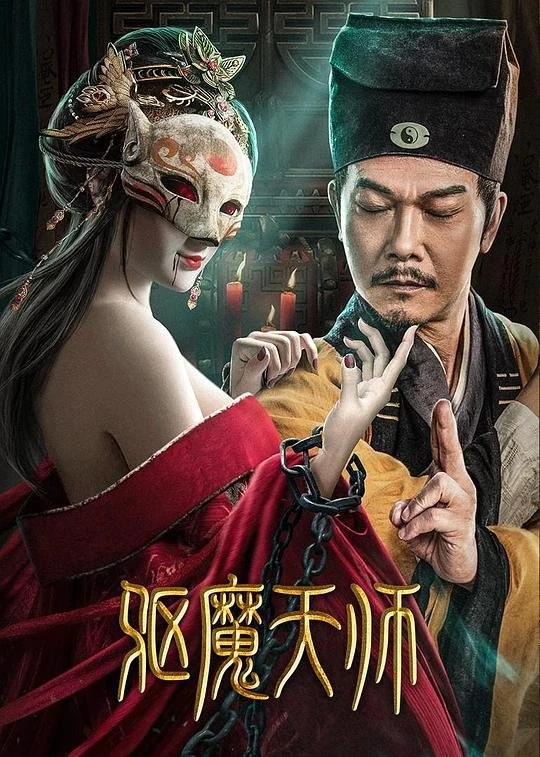
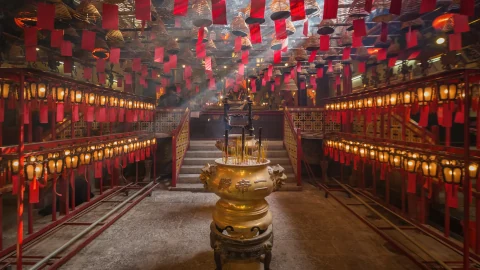
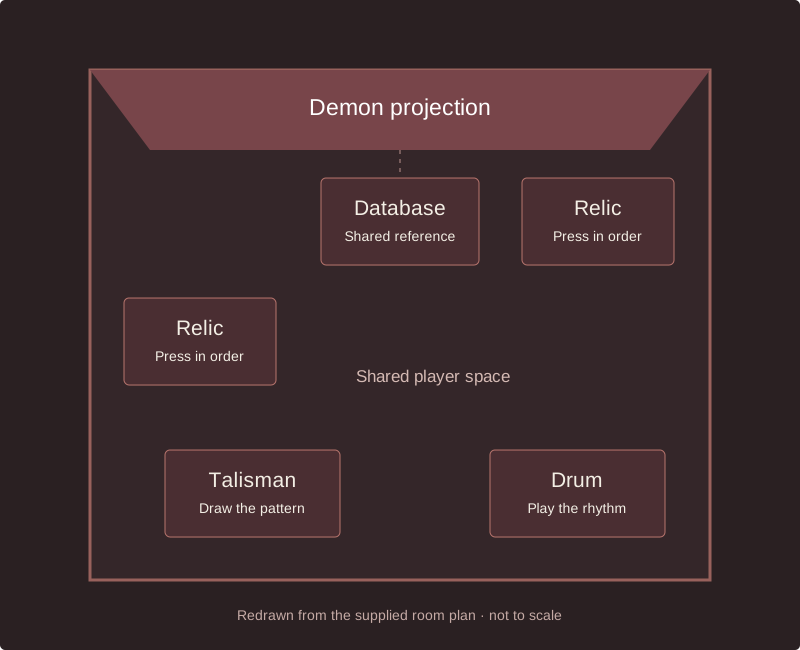
A shared PC reference provides curse patterns and solutions.
Press the correct relics in order to reverse a curse.
Draw the correct talisman to reverse a curse.
Play the correct drum pattern to seal a curse.
03 / My contribution · Core gameplay
Environmental cues, a shared Database, and physical station actions connect the players into one cooperative loop.
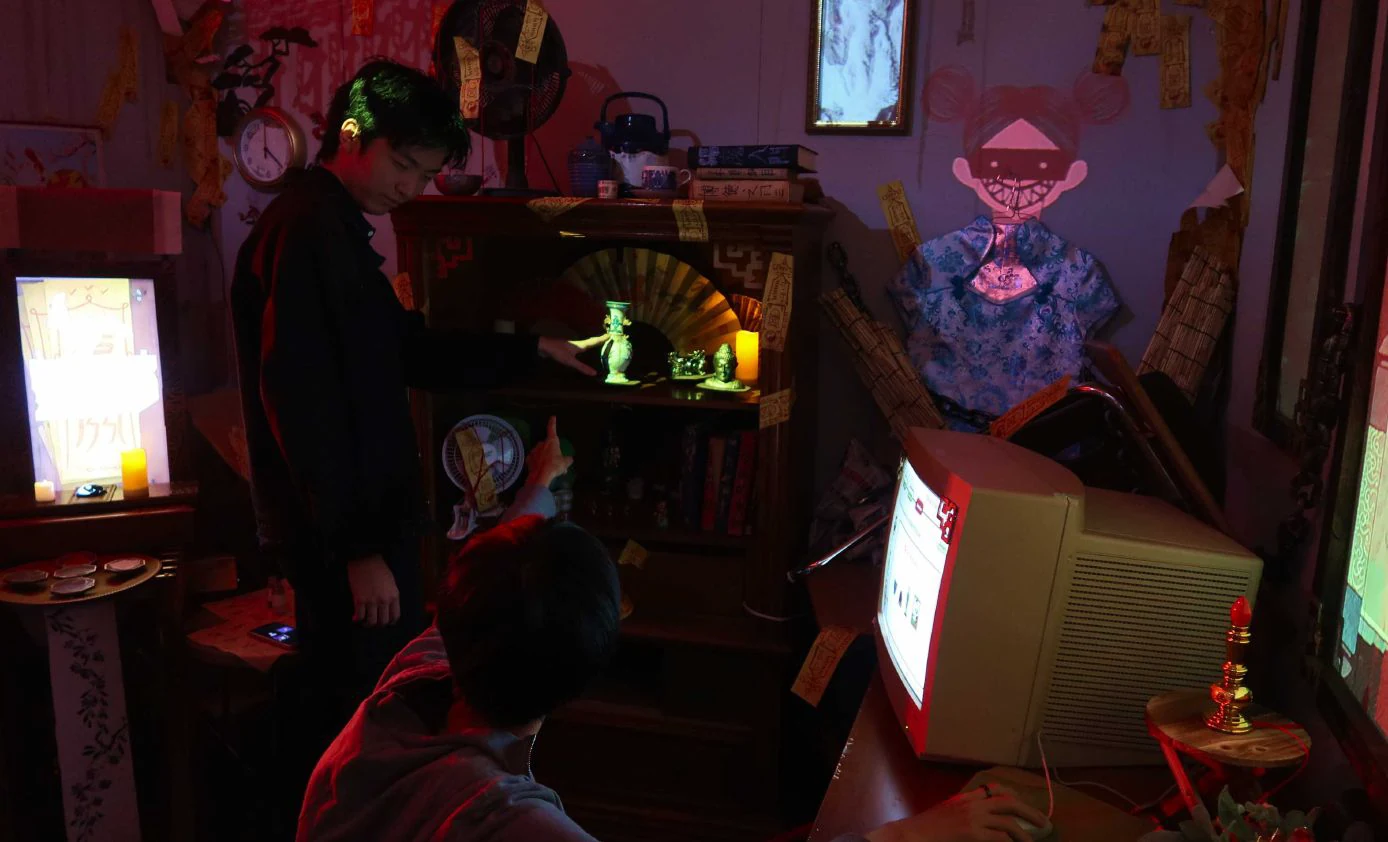
Find visual and audio clues around the room.
Combine observations in the Database to determine the curse.
Share station solutions and remember the required patterns.
Perform the pattern at the physical station to undo the curse.
Time constraints create a need to cooperate. Players gather clues from the room and coordinate through the Database before carrying out their station actions.
04 / Independently designed & programmed
I designed and programmed the Database independently in Unity and C#. It is the players’ tool for identifying curses and finding the patterns needed to reverse them.
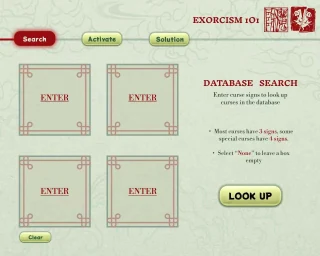
Players observe visual and audio cues, then enter the hints into the search interface.

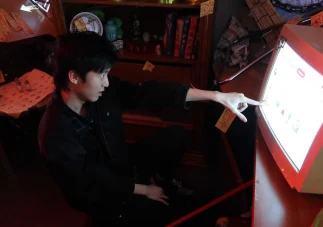
The Look Up action checks the entered hints. A correct combination leads to the curse’s solutions page.
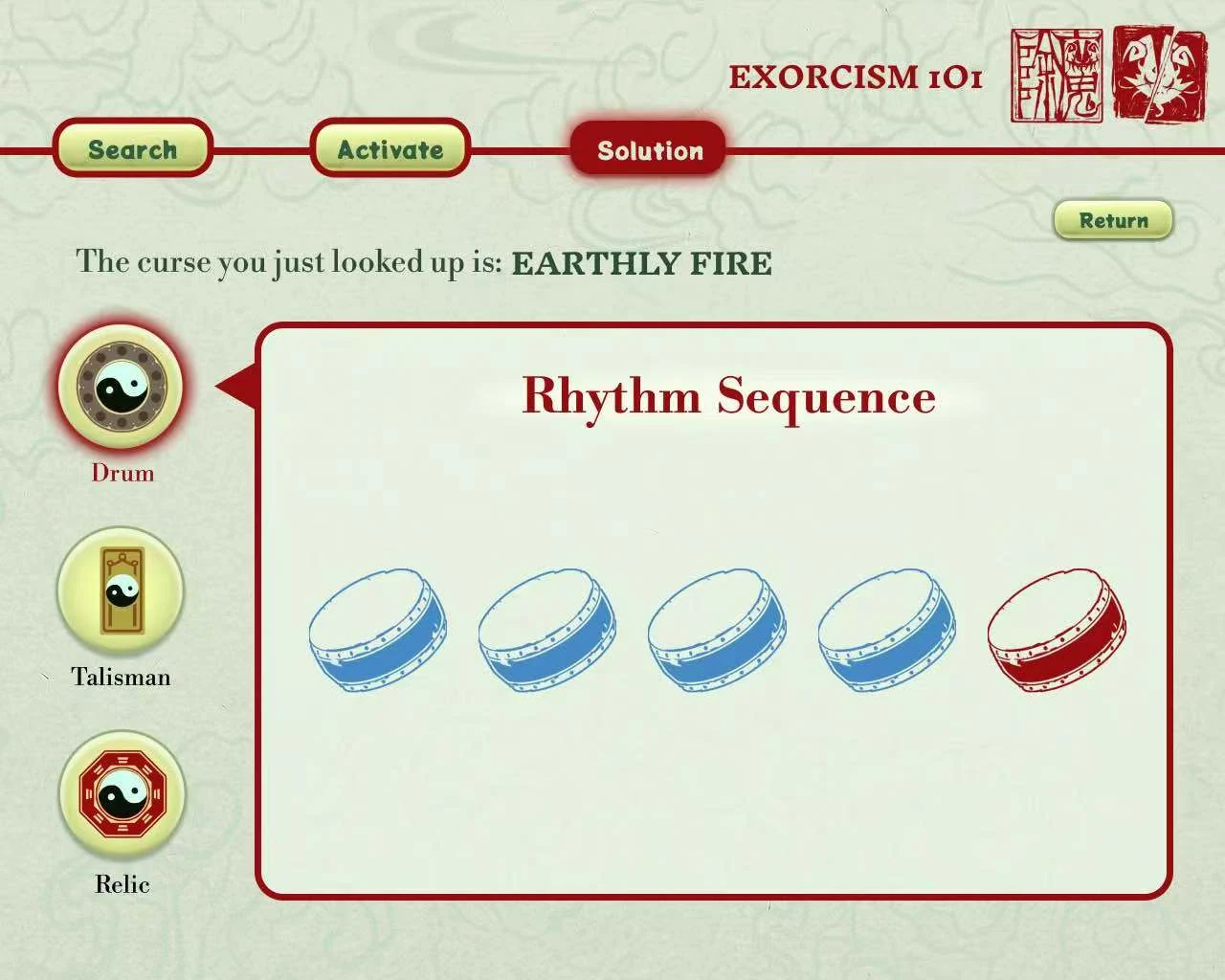
Players switch between station solutions. Only one station’s solution is visible at once, requiring coordination and memory.
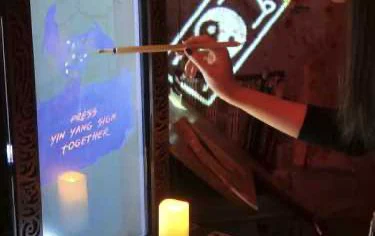
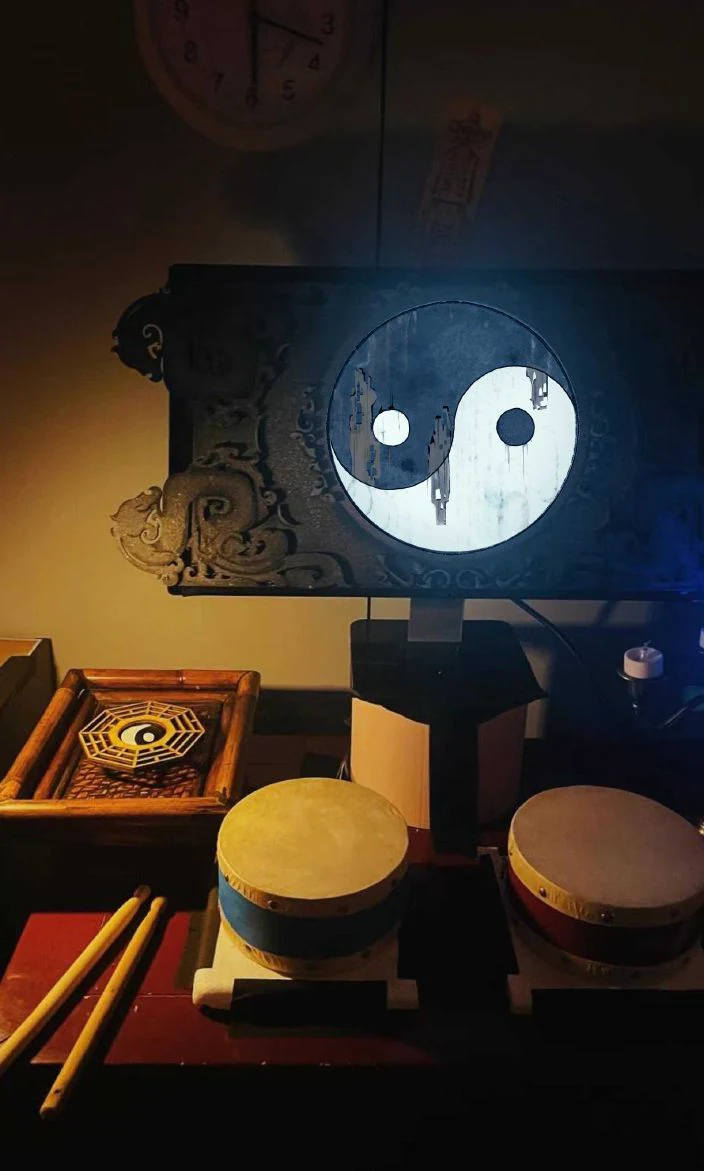
Players remember their solution and input it at their own station. For the Drum station, they reproduce the shown rhythm on the drum-shaped controller.
Everyone depends on the same reference, but each player needs a different station pattern. They must coordinate who views a solution, retain it, and communicate before returning to their controllers.
05 / Team & production
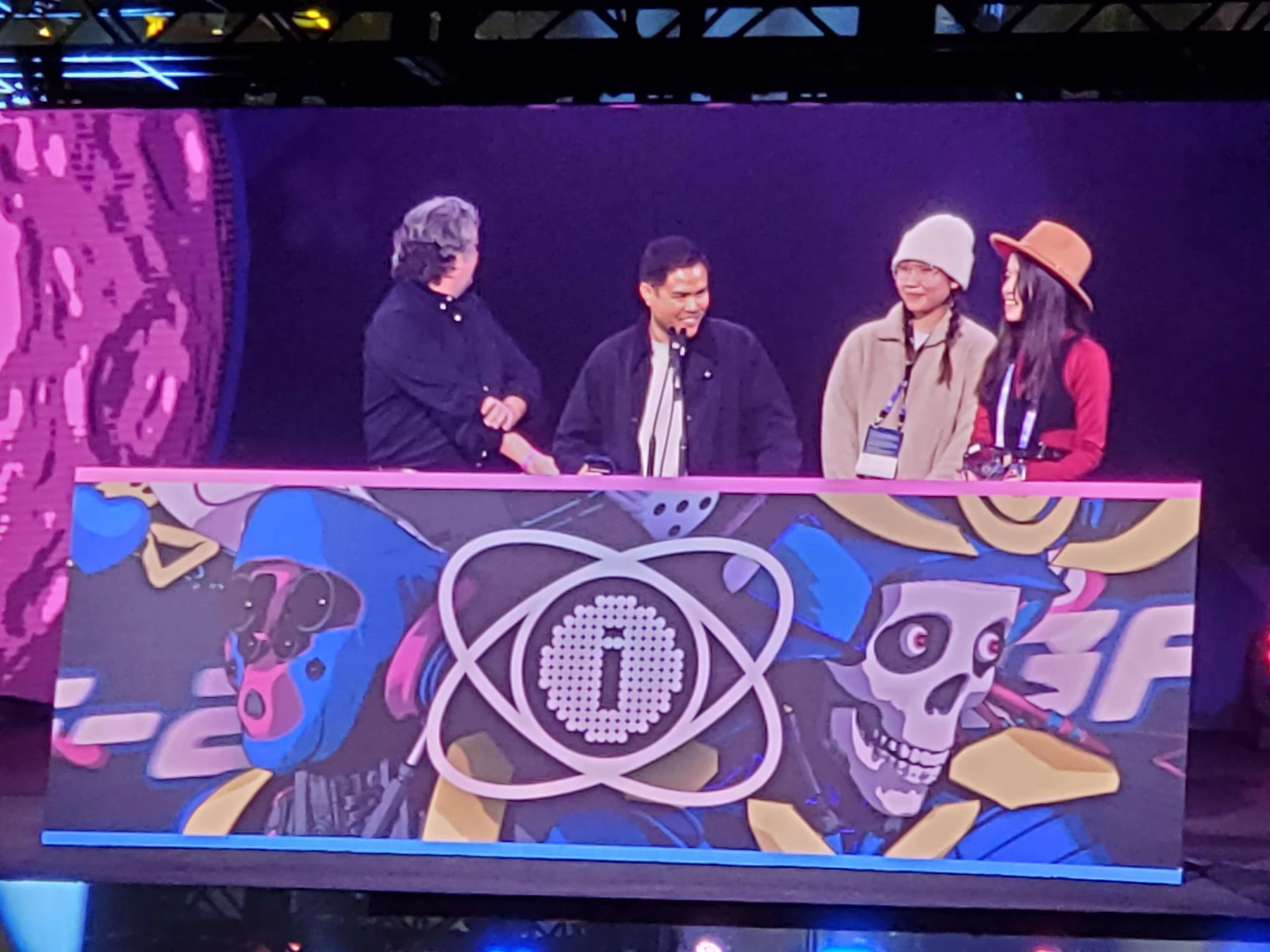
The project ran from December 2022 to April 2024 with a 15-person team. My involvement ran from May 2023 to April 2024: I led game design, designed the core experience flow, and implemented gameplay through code.
Designed the core progression from onboarding to the final demon encounter.
Implemented gameplay elements as part of the design and development team.
Independently designed and programmed the shared curse-solving tool.
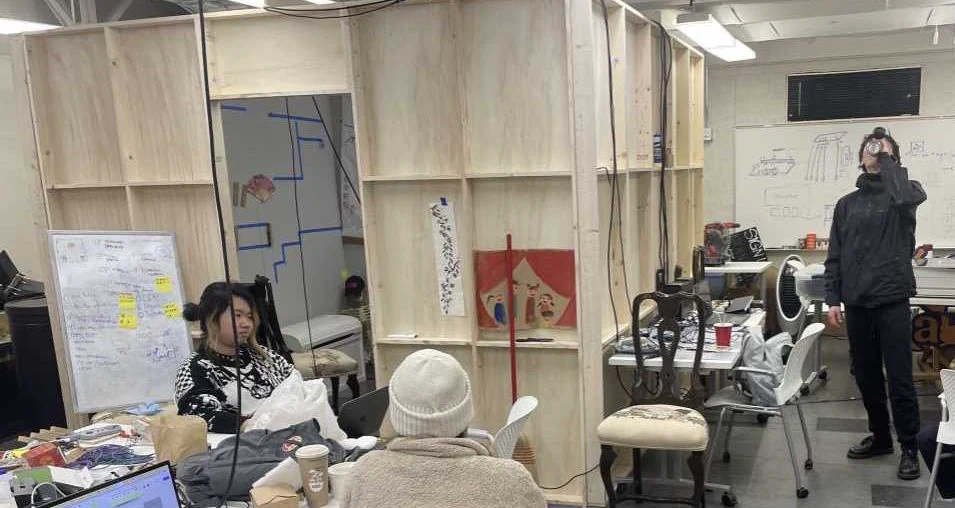
Early prototyping and hardware production.
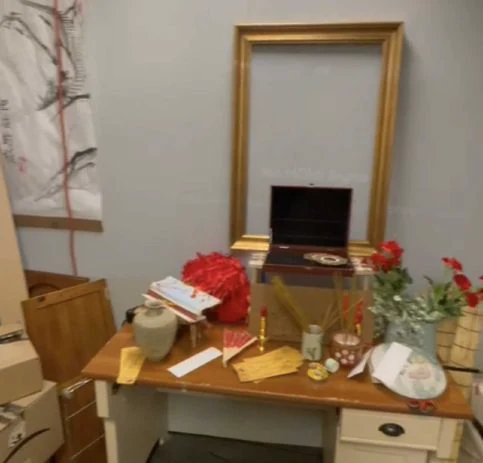
Iteration, room redesign, and testing.
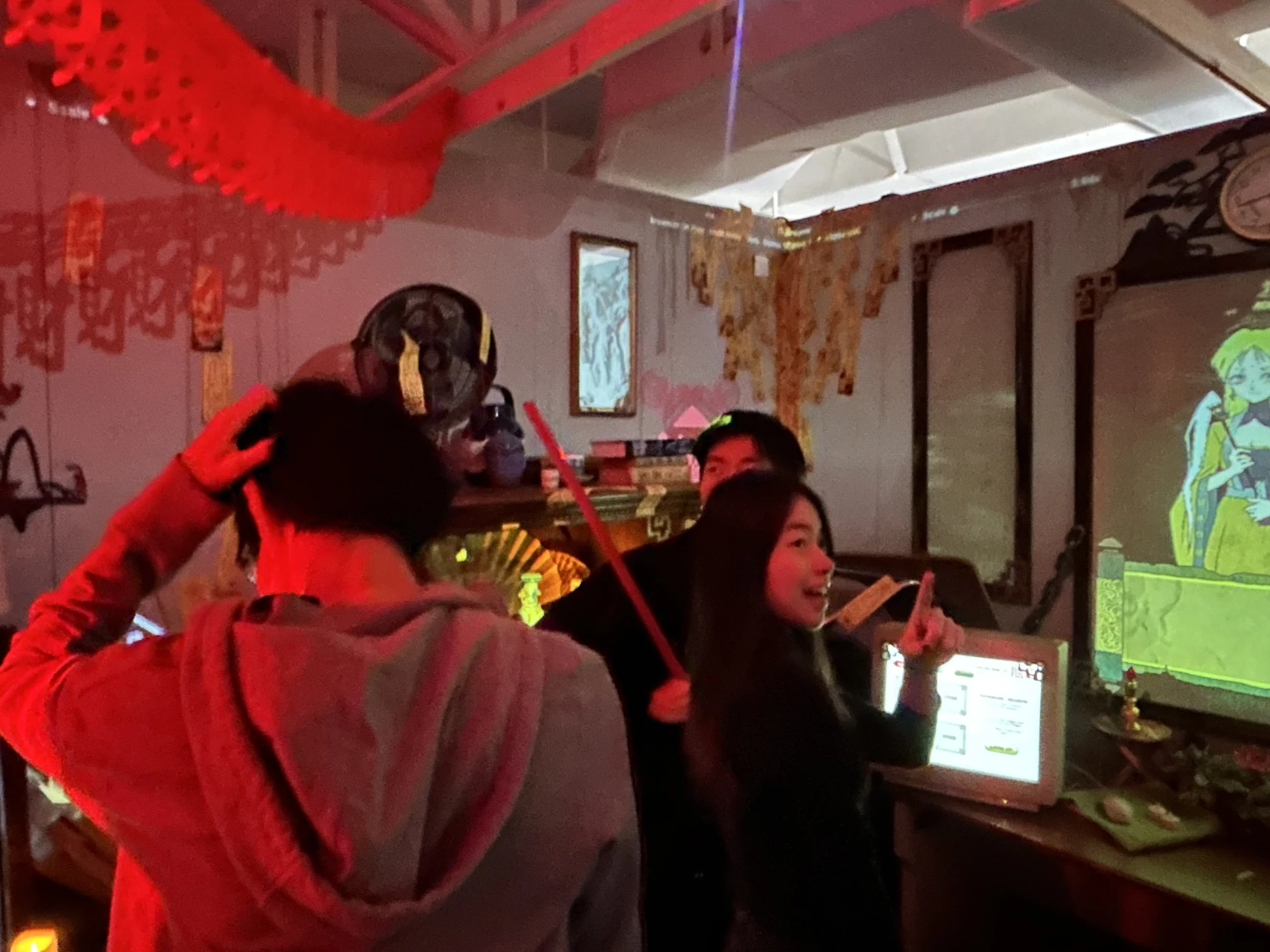
Final polish and public showcase.